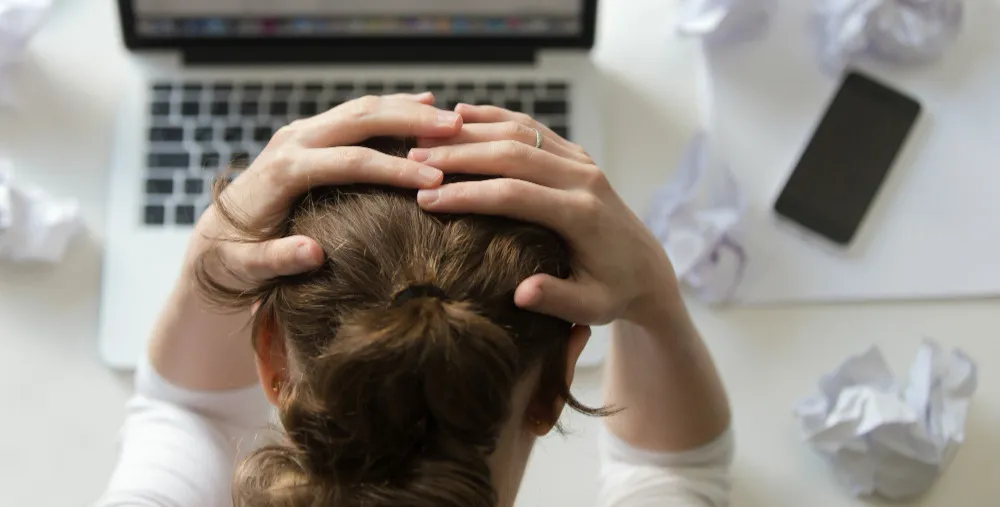
Burnout syndrome is a state of physical, emotional, and mental exhaustion that appears after a long period of stress, especially in the workplace. The affected person gradually loses energy, motivation, and the ability to concentrate, while activities that previously seemed ordinary end up consuming a great deal of effort.
Burnout influences both professional performance and personal life, which is why it requires timely attention. Recovery involves several lifestyle changes, and periods dedicated to relaxation contribute to reducing accumulated tension and balancing the nervous system.
It is important to distinguish between burnout syndrome and chronic fatigue. Burnout occurs following prolonged exposure to stress and is accompanied by a lack of motivation, emotional detachment, and the feeling that any responsibility becomes difficult to bear. In contrast, chronic fatigue can have numerous causes, including medical conditions that require investigation.
If energy does not return even after rest and persistent symptoms appear, a medical evaluation is recommended. In parallel, SPA therapy can support the recovery process through deep relaxation, reducing muscle tension, and improving overall well-being.
How to Recognize Burnout and Why Simple Rest Does Not Solve the Problem?
Burnout appears gradually. At first, it may just mean a few days when you feel more tired than usual, but over time, the body remains in a continuous state of tension and no longer manages to recover even after a weekend off or a short vacation.
The most common symptoms are:
-
heightened fatigue right from the early hours of the morning;
-
difficulty concentrating and memory problems;
-
irritability and reduced patience;
-
loss of motivation for day-to-day activities;
-
the feeling that any task requires a very large effort;
-
headaches, tension in the neck, shoulders, and back;
-
restless sleep or lack of restful sleep.
Unlike burnout syndrome, chronic fatigue symptoms can be rooted in very different causes. They can occur as a result of endocrine disorders, anemia, sleep disorders, or other health problems. For this reason, it is important that exhaustion that persists for a long time be evaluated by a doctor.
When the cause is prolonged stress, recovery involves more than a few days of break. The body needs repeated periods of relaxation, a balanced schedule, and activities that help the nervous system get out of a permanent state of alert. A SPA therapy can become an important part of this process.
1. Salt Room Relaxation Massage Helps the Body Slow Down the Pace
People going through burnout often describe the same feeling. Even when they have free time, the body remains tense, and the mind continues to operate at the fast pace of the workday.
Salt Room Relaxing Massage is one of the therapies we offer for people who need to detach from accumulated stress. The massage is performed at a slow pace and aims to relax the muscles, especially in areas where tension most frequently accumulates, such as the nape of the neck, shoulders, and back.
The quiet atmosphere in the salt room complements the experience and gives the body the time needed to step out of the state of overexertion. After the session, many people notice that they breathe easier, feel more relaxed, and manage to fall asleep faster that evening.
For the best possible results, it is recommended to continue the day at a calm pace after therapy, with sufficient hydration and as little screen time as possible.
2. Hot Stone Massage Reduces Accumulated Tension in the Muscles
Long-term stress does not affect only the mental state. It is also visible in the body. Muscles remain tense, pain appears in the cervical and lumbar areas, and shoulders become stiff.
Hot Stone Deep Tissue Massage combines deep massage techniques with the heat effect released by volcanic stones. The heat contributes to muscle relaxation and allows the therapist to work more effectively on contractions.
This therapy is suitable for people who spend many hours at a desk, drive frequently, or permanently feel muscle tension. After the session, mobility is better, and the feeling of stiffness is visibly reduced.
Before choosing the therapy, the therapist discusses with each client to adapt the intensity of the massage according to the health status and needs of each person.
3. Plantar Reflexology Provides a Welcome Break for the Nervous System
Plantar reflexology is appreciated by people who want a relaxation experience without a full body massage. The therapy involves stimulating certain points on the soles of the feet through controlled pressure techniques.
Within our center, this procedure is part of the offer of health therapies and can complete a program dedicated to recovery after long periods of stress. The session takes place in a quiet environment, and the slow pace contributes to establishing a state of calm and relaxation.
Many clients choose reflexology because it helps them slow down the pace and give themselves a moment where attention is directed exclusively toward their own body. It is precisely this break from the daily pace that can play an important role in the recovery process.
How Can You Integrate SPA Therapies into a Real Recovery Plan?
Burnout does not disappear overnight. Recovery occurs when the body receives sufficient time to restore itself, and stress is gradually reduced through concrete lifestyle changes.
In addition to rest, a balanced diet, physical activity, and a healthier work schedule, moments dedicated to relaxation can speed up the recovery process. An occasional visit to the SPA is welcome, but sessions included in a consistent routine generally bring more visible benefits.
We believe that well-being begins when you pay attention to both body and mind. If you feel that stress and fatigue have become part of every day, we invite you to discover our range of SPA therapies and choose the experience that best fits your needs. Sometimes, the first step toward recovery begins with a few hours dedicated exclusively to your own health