Table of Contents
- What happens in the muscles after an intense workout
- Sauna: when heat helps and when it doesn't
- Cold water immersion: what situations it works for
- Sports recovery massage: what makes it different from the others
- How to combine methods depending on the type of workout
You finished your workout. The muscles are tired, maybe slightly stiff. And now comes the question many active athletes ask themselves in the locker room: do I go to the sauna, take a cold shower, or schedule a massage? Recovery after intense workouts is not a detail — it is part of the workout. Choosing the wrong method at the wrong time can prolong recovery instead of accelerating it.
What happens in the muscles after intense effort
Intensely solicited muscle fibers accumulate metabolites, become slightly inflamed, and temporarily lose elasticity. This is not an emergency state, but a natural body response to the workout stimulus. The problem occurs when this state is prolonged — either due to lack of recovery or poor choices immediately after effort.
Local circulation plays a central role in how quickly muscles return to normal. Any method that improves blood and lymphatic flow accelerates the elimination of metabolites and reduces the feeling of muscle heaviness.
Sauna: when heat helps and when it doesn't
Immediately after a demanding workout, the wet sauna is a good option — with one condition: there must be no acute inflammation. Heat dilates blood vessels, relaxes nerve endings and tense muscles, and contributes to faster recovery.
The wet sauna generally operates at temperatures between 43°C and 46-48°C, with high humidity. A 15-20 minute post-workout session is enough. More does not mean better — thermal overexertion further fatigues an already stressed body.
A detail that many ignore: you lose fluids quickly in the sauna. Hydration with 2-4 glasses of water after the session is not optional. If you trained intensely and sweated a lot, rehydration must begin before entering the sauna.
When the sauna is not indicated immediately after effort: if you feel an inflamed, swollen, or highly sensitive area, heat can accentuate the inflammatory reaction instead of reducing it.
Cold water immersion: what situations it works for
Cold water therapy — including cold showers or partial immersion — acts through vasoconstriction: blood vessels narrow, reducing local blood flow and, implicitly, acute inflammation. It is especially useful after high-volume workouts or competitions, when muscles are overworked and there is a real inflammatory component.
The difference from the sauna is clear: cold limits inflammation, heat relaxes and improves circulation. The two mechanisms are opposite, so the situations where they work best are also different.
From what we see in sports recovery practice, athletes tend to overestimate the effect of cold water immersion as a daily ritual. Applied without a specific reason — meaning after a moderate workout, without inflammation — it brings minor benefits compared to a massage or sauna. Cold makes sense after extreme effort or when there is a clearly overworked muscle area.
Sports recovery massage: what makes it different from the others
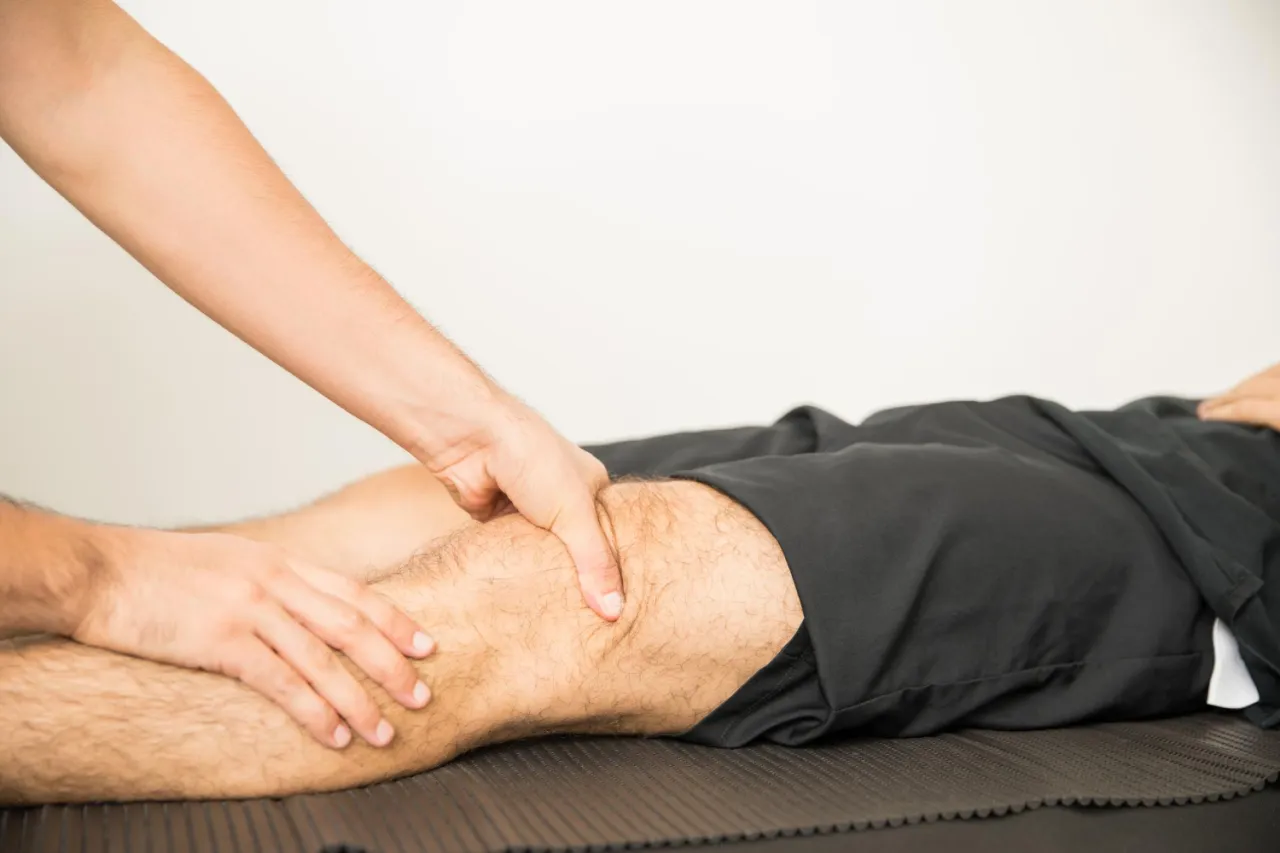
Unlike sauna or cold water, massage acts directly on muscle tissue. It relaxes the fiber, improves local circulation, and accelerates the elimination of metabolites accumulated after effort. A muscle relaxed through massage responds differently to the stress of the next workout compared to one left to "figure it out on its own."
At Orhideea Spa, sports recovery massages include Recovery Sport Massage — a 60-minute session combining deep-tissue techniques with lymphatic drainage and passive stretching, adapted by the therapist based on individual needs. The session also includes free access to the relaxation area with an artificial salt cave, tepidarium, and auditorium.
Massage is also useful in situations that sauna or cold water do not solve: persistent contractures, stiffness set in after periods of intense training, tensions accumulated following a high volume of exercises. Many athletes notice they sleep better and their energy levels during the day improve after a massage session — a sign that the nervous system has also received a respite.
How to combine methods depending on the type of workout
You don't have to choose just one definitively. Methods can be combined, but the order matters.
Strength workout or high volume, without acute inflammation:
- sauna for 15-20 minutes for muscle relaxation and circulation
- proper hydration afterwards
- sports recovery massage 24-48 hours after effort, when muscles are in the active phase of recovery
Extreme workout or competition with clear overexertion:
- cold water or cold shower immediately after, to limit inflammation
- massage after the acute inflammatory phase has passed
- sauna reintroduced later, on active recovery days
Chronic recovery or persistent muscle tensions:
- regular therapeutic massage, eventually combined with physiotherapy or physical therapy if tensions affect mobility or execution technique
10-15 minutes of stretching immediately after the workout remains useful regardless of what you choose afterward. Post-effort nutrition and 7-9 hours of sleep complete the picture — no external therapy compensates for a lack of rest or protein at meals.
Data table
| Method | Main mechanism | Recommended duration | When indicated |
|---|---|---|---|
| Wet sauna | Vasodilation, muscle relaxation | 15–20 minutes | Post-workout, without acute inflammation |
| Cold water / cold shower | Vasoconstriction, inflammation reduction | A few minutes | Overexertion, acute inflammation |
| Recovery Sport Massage | Tissue detensioning, lymphatic drainage | 60 minutes | 24–48 h after intense effort, contractures, stiffness |
| Wet sauna characteristic | Value |
|---|---|
| Typical temperature | 43°C - 48°C |
| Humidity | Up to 100% |
| Recommended session duration | 15-20 minutes |
| Recommended hydration after session | 2-4 glasses of water |
| Injury risk reduction (pre-workout heat application) | Up to 25% |
Frequently asked questions
Can I use the sauna immediately after any workout?
Generally yes — if there is no inflamed or swollen area. Heat relaxes the muscles and supports circulation, but it is not indicated when acute inflammation is present, because it can accentuate the local reaction.
How often should I get a recovery massage if I work out 4-5 times a week?
There is no universal answer. At a high training volume, a sports recovery massage session per week or every two weeks can make a noticeable difference in the quality of recovery. It also depends on session intensity and how your body responds.
Does cold water immersion really work or is it just a trend?
It works in the right context — after extreme effort or competition, when there is a real inflammatory component. As a daily ritual after moderate workouts, the benefits are less clear. It is not a universal method, but one specific to certain situations.
Does the Recovery Sport Massage at Orhideea Spa also include sauna access?
Yes. The 60-minute session includes free access to the relaxation area with an artificial salt cave, tepidarium, and auditorium. Access to the Aqua area with pools, jacuzzi, and saunas is available for an additional fee.
When does it make sense to move from massage to physical therapy or physiotherapy?
When persistent muscle tensions affect mobility, execution technique, or signs of joint overexertion appear. Physical therapy and physiotherapy address structural causes that massage alone cannot resolve.
If you want to build a recovery routine adapted to your workout type, schedule a Recovery Sport Massage session at Orhideea Spa and discuss with the therapist about which method or combination of methods best fits your workout rhythm.