Rapid physical recovery occurs when the body receives support from multiple directions. Therapeutic exercises help the body regain mobility and strength, while massage contributes to muscle relaxation and the reduction of accumulated tension.
When integrated into a well-structured plan, the two therapies complement each other and can accelerate the recovery process after injuries, surgical procedures, or prolonged periods of sedentary lifestyle.
Many people focus exclusively on pain reduction. In reality, the objective is much broader. The body must regain its functionality, stability, and confidence in movement. For this reason, specialists recommend approaches that address both the cause of the problem and its effects on the muscles and joints.
Within a recovery program, each stage has a well-defined role. Sometimes it is necessary to reduce muscle tension before starting exercises. Other times, strengthening the muscles is needed to prevent the recurrence of pain. Results appear when therapies are combined intelligently and adapted to each patient.
We view recovery as a complete process, aimed not only at relieving symptoms, but also at regaining comfort in daily activities. The final goal is always the same: to enjoy freedom of movement and an improved general state of health once again.
Why does the combination of massage and kinetotherapy work so well?
In a medical recovery program, each therapy contributes to the body's restoration in a different way.
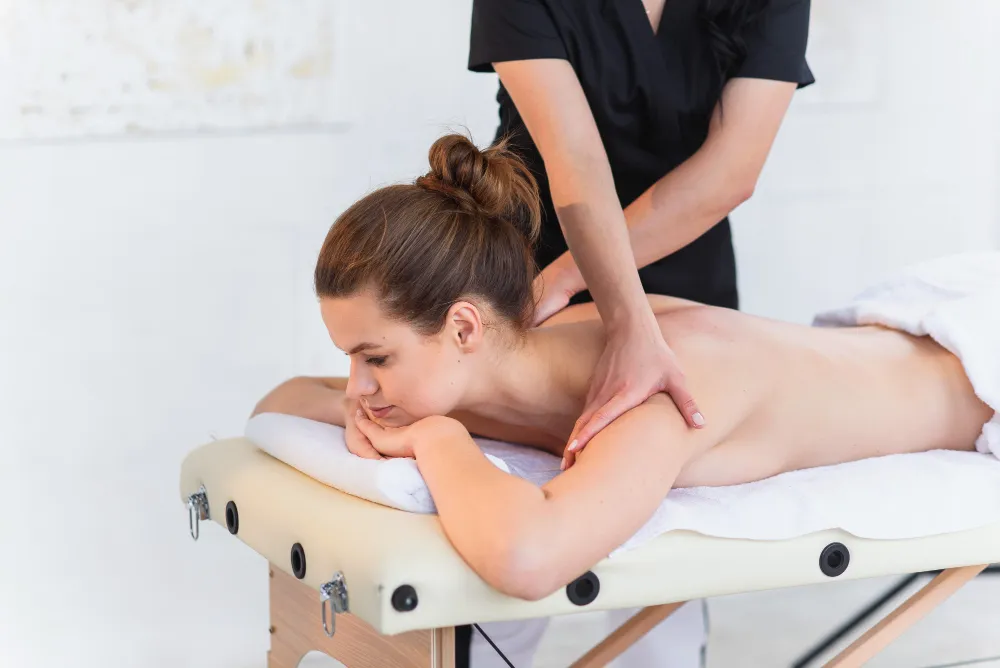
Massage acts on soft tissues and helps relax tense muscles. At the same time, it stimulates local circulation and can reduce the sensation of stiffness that frequently appears after injuries or periods of inactivity.
Kinetotherapy works directly on movement. Through adapted exercises, joints regain their mobility, and muscles regain their strength and endurance.
When massage is included before or between kinetotherapy sessions, the body responds better to exercises. Muscles are more relaxed, range of motion increases, and the patient performs exercises with greater ease.
This combination is frequently recommended in situations such as:
- recovery after sprains and dislocations;
- rehabilitation after orthopedic procedures;
- lumbar and cervical pain;
- muscle contractures;
- recovery after periods of immobilization;
- postural problems.
Each person has different needs, however. For this reason, the therapeutic plan must be adapted according to the condition, pain level, and goals pursued.
How does kinetotherapy contribute to body recovery?
Kinetotherapy is one of the most effective recovery methods for muscular, joint, and spinal conditions.
Exercises are chosen based on the patient's condition and aim to improve mobility, increase muscle strength, and restore affected functions. Each session has a precise purpose and forms part of a step-by-step plan.
In the beginning, exercises are simpler and focus on reducing movement limitations. As the body adapts, the program is diversified and oriented towards the activities the patient wishes to resume.
Kinetotherapy is useful both for recovery and prevention. Well-trained muscles support the joints, reduce the risk of injury, and contribute to maintaining correct posture.
Among the most important benefits are:
- increased joint mobility;
- improved balance and coordination;
- pain reduction through controlled movement;
- development of muscle strength;
- correction of postural imbalances;
- faster return to everyday activities.
Results appear gradually and are sustained by consistency. The more carefully the program is followed, the better the body responds to treatment.
The role of massage in the recovery process
For many people, the term massage is primarily associated with relaxation. In reality, its benefits are much broader when integrated into a therapeutic program.
A massage performed by a specialist can contribute to releasing muscle tension and improving mobility in affected areas. Relaxed muscles allow for smoother movement and reduce the discomfort felt during therapeutic exercises.
Massage is often recommended for people dealing with:
- persistent muscle pain;
- tension caused by stress;
- joint stiffness;
- physical overexertion;
- recovery after sports trauma.
In addition to local effects, massage also influences overall well-being. Many patients notice that they sleep better, feel more relaxed, and have a better energy level throughout the day.
Within the recovery process, these benefits contribute indirectly to progress. A relaxed body responds more effectively to treatments and adapts more easily to therapeutic effort.
When Is physiotherapy also recommended?
In many situations, the therapeutic plan may also include physiotherapy treatment. This method uses modern technologies to support the body's natural healing processes.
Physiotherapy is frequently recommended for pain reduction, combating inflammation, and stimulating tissue regeneration. It can very effectively complement kinetotherapy and massage sessions.
The integration of physiotherapy is particularly useful for:
- spinal conditions;
- tendinitis and bursitis;
- recovery after surgery;
- degenerative joint conditions;
- sports trauma.
When pain is reduced and mobility begins to increase, the patient can participate more actively in the recovery program. This is one of the reasons specialists frequently choose to combine multiple therapeutic methods.
Each procedure is selected based on the patient's diagnosis and goals, so that results are as effective as possible.
Effective recovery means more than the disappearance of pain. It means returning to the activities that provide independence, comfort, and confidence in one's own body. Massage, kinetotherapy, and physiotherapy work together to support this process and help the body recover in a balanced way.
We place emphasis on personalized programs and a comprehensive approach to health.
If you have been through an injury, a surgical procedure, or are dealing with movement limitations, our team can help you find the right solution for your needs. The first step towards faster recovery and a more active life begins with a plan built specifically for you.