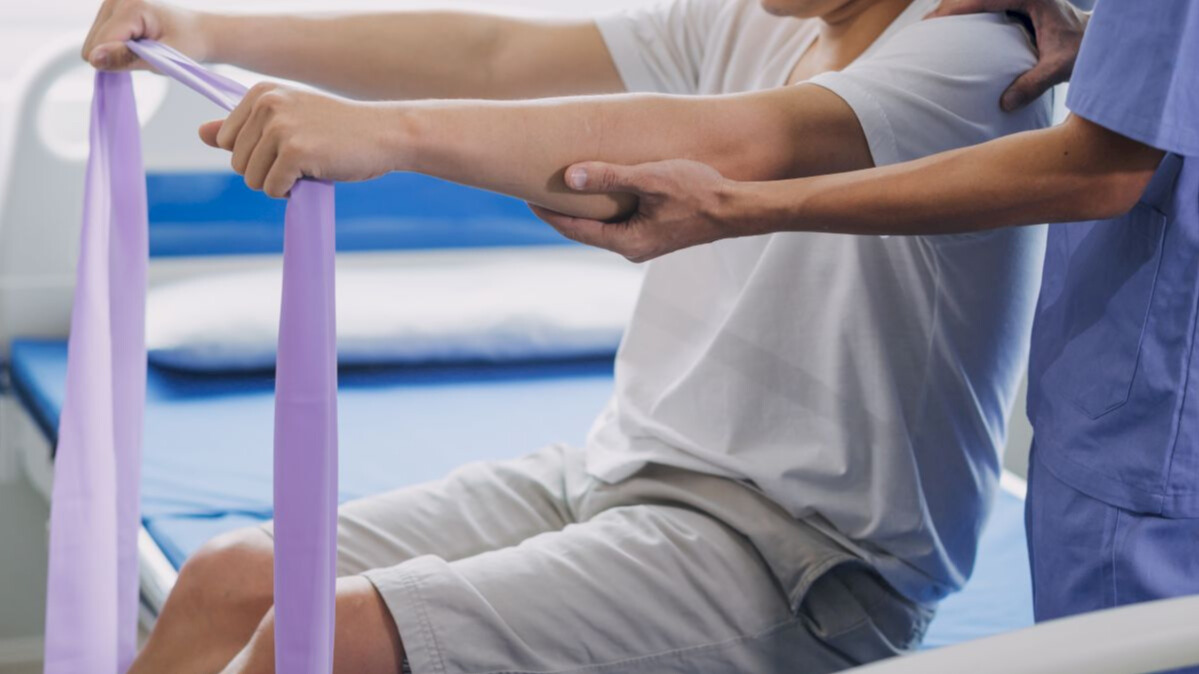
Physical therapy is not just medical gymnastics—it is an essential process for restoring the body after injuries, surgeries, or chronic pain. Through carefully selected exercises, the body regains mobility, and pain is gradually reduced without the risk of overexertion.
A skilled physical therapist evaluates the patient’s condition and creates a personalized plan, adjusted according to progress. Movements are not random; they activate the muscles, improve circulation, and support the body’s natural healing process.
Some of the most important benefits of physical therapy include:
-
Increased joint mobility
-
Reduced pain and inflammation
-
Correction of poor posture
-
Prevention of relapses
-
Restoration of balance and coordination
Our recovery programs include individual physical therapy sessions, complemented by regular evaluations and continuous support from our specialists. Depending on your needs, other useful therapies may also be integrated, such as physiotherapy, therapeutic massage, or revitalizing spa treatments, for faster and longer-lasting results.
Recovery does not have to be difficult or painful. With the right support, you can regain confidence in your body and return to daily activities without the fear of pain.
In any medical rehabilitation process, exercises must be adapted to your physical capacity in order to bring benefits without discomfort. Under the guidance of a physical therapist, movement becomes a safe and effective tool for restoring mobility and confidence in your body.
The Benefits of Physical Therapy for the Spine and Joints
Lower back pain and knee problems are the most common reasons for attending a physical therapy session. Through segmental exercises and stabilization techniques, the following results can be achieved:
-
Spinal decompression and reduced disc pressure
-
Strengthening of the deep muscles that support the spine
-
Increased hip-knee mobility, reducing lumbar overload
-
Gait re-education after ligament injuries
At Orhideea Spa, post-operative knee recovery begins with a detailed evaluation. The physical therapist then sets progressive exercises and, when needed, therapeutic massage, according to the individual plan.
Medical Recovery After Surgery: When Should You Start Physical Therapy?
After surgery, gradually resuming movement is crucial for complete recovery. Physical therapy should not be postponed—on the contrary, some exercises can begin as early as the first few days under specialist supervision.
In general, the steps are set individually, but as a guideline:
-
First days: light, controlled movements to maintain muscle tone and prevent joint stiffness.
-
After the first week: passive or active mobilization may be introduced, depending on the operated area.
-
In the following weeks: exercises become more complex, aiming to restore mobility and balance.
-
After one month or more: the patient is encouraged to gradually return to daily activities.
Each program is adapted to your needs. The most important thing is to start on time, with small, safe steps.
Physical Therapy and Chronic Conditions: Long-Term Management
For patients with osteoarthritis, diabetes, or cardiovascular diseases, the benefits of physical therapy include:
-
Improved peripheral circulation and reduced swelling
-
Increased insulin sensitivity through regular exercise
-
Maintenance of bone density in older adults
-
Reduced morning joint stiffness
For long-term programs, evaluations and exercise adjustments are carried out periodically, as recommended by the Orhideea Spa physical therapist.
The Synergy Between Physical Therapy and Therapeutic Massage
Combining techniques accelerates tissue repair and shortens recovery time:
-
Massage relaxes the muscles before exercises
-
Exercises increase blood flow, enhancing the effect of massage
-
Alternating the two reduces spasms and chronic pain
-
Patients perceive therapy as less painful and more motivating
We also offer therapeutic massages adapted to the stage of recovery, integrated into the physical therapy plan as recommended by the specialist
The Role of Postural Education and Self-Care at Home
To maintain the results achieved in the clinic, the patient should:
-
Perform daily stretching exercises
-
Take active breaks at the office
-
Correctly use supportive devices (braces, bands) if recommended
-
Monitor signs of relapse and return to the specialist at the first symptoms
The benefits of physical therapy are felt quickly: reduced pain, increased mobility, regained muscle strength, and most importantly, restored confidence in your body. Combined with physiotherapy and therapeutic massages, physical therapy becomes a complete medical recovery tool, whether dealing with injuries, surgeries, or chronic conditions.
Contact us for an evaluation and a personalized physical therapy program tailored to your goals!