Injuries, unfortunately, are part of every athlete’s life. Whether it’s a sprained ankle from a tennis match, a muscle tear at the gym, or a knee surgery, the first question is usually: “How soon can I get back on the field?”
The answer doesn't lie in a miracle exercise, but in a structured sports recovery process.
We view recovery as a well-planned marathon, not a sprint. We rely on our medical team's expertise, modern kinesitherapy techniques, and complementary therapies that accelerate healing and reduce the risk of recurrence.
For over two decades, our foundation has embraced wellness as a way of life—focusing on physical, emotional, and mental health.
The First 3 Days After Injury: What You Need to Know
The first few days after an injury are the most important to limit inflammation and start healing properly. It is advisable to protect the affected area, avoid exertion and apply cold compresses if necessary. Rest, hydration and a comfortable position can make all the difference in how your body reacts.
The sports recovery process is divided into several stages, each with specific goals:
-
Initially, the focus is on reducing pain and inflammation.
-
This is followed by a stage dedicated to regaining mobility and resuming controlled movement.
-
Then comes the phase of strengthening muscles and restoring balance through specific exercises.
-
The final stage targets reintegration into sports activity, with the reintroduction of technical movements and preventive training.
Recovery doesn’t follow the same pace for everyone, so the program must be tailored by a specialist based on the type of injury and how your body responds to therapy.
Important Steps During the Acute Phase
-
Protect the injured area, but don’t completely immobilize it.
-
Apply ice for 15 minutes, 3–4 times a day.
-
Maintain light elastic compression.
-
Elevate the injured limb above heart level.
After a few days, as the pain starts to subside, you can gradually resume light movements. It's important to listen to your body's signals and don't force it. Even deep breathing or simple movements can help circulation and the recovery process.
At this stage, a consultation with a physiotherapist is invaluable. At Orhideea Spa, the first evaluation session is free and held one-on-one with our specialist to personalize your recovery plan.
Short- and Long-Term Goals of Kinesitherapy
Kinesitherapy uses movement as a form of treatment and is divided into preventive and therapeutic approaches. For a post-operative knee, the program includes assisted active exercises, resistance band work, and proprioceptive retraining.
Key Benefits of Kinesitherapy (as documented by our specialists):
-
Restoration of strength and increased muscle endurance
-
Improved coordination, balance, and neuromuscular control
-
Enhanced joint mobility
-
Postural correction
-
Reeducation of breathing and sensory perception
Main goals of kinesitherapy during recovery:
-
Restoring mobility after immobilization
-
Regaining strength to handle athletic load
-
Preventing chronic conditions and relapses
How We Work at Orhideea Spa
-
Individual 30- or 60-minute sessions
-
Exercise programs tailored to the healing stage
-
Complementary techniques like sauna or swimming (as recommended by the physician) to reduce stiffness and restore mobility safely
-
Ongoing monitoring and adjustment of difficulty levels based on progress
For complex cases, we recommend the full medical recovery package: 2 specialist consultations, 10 physiotherapy sessions, and 10 kinesitherapy sessions - a package designed to cover the entire healing process.
Sports Recovery Massage and Other Complementary Therapies
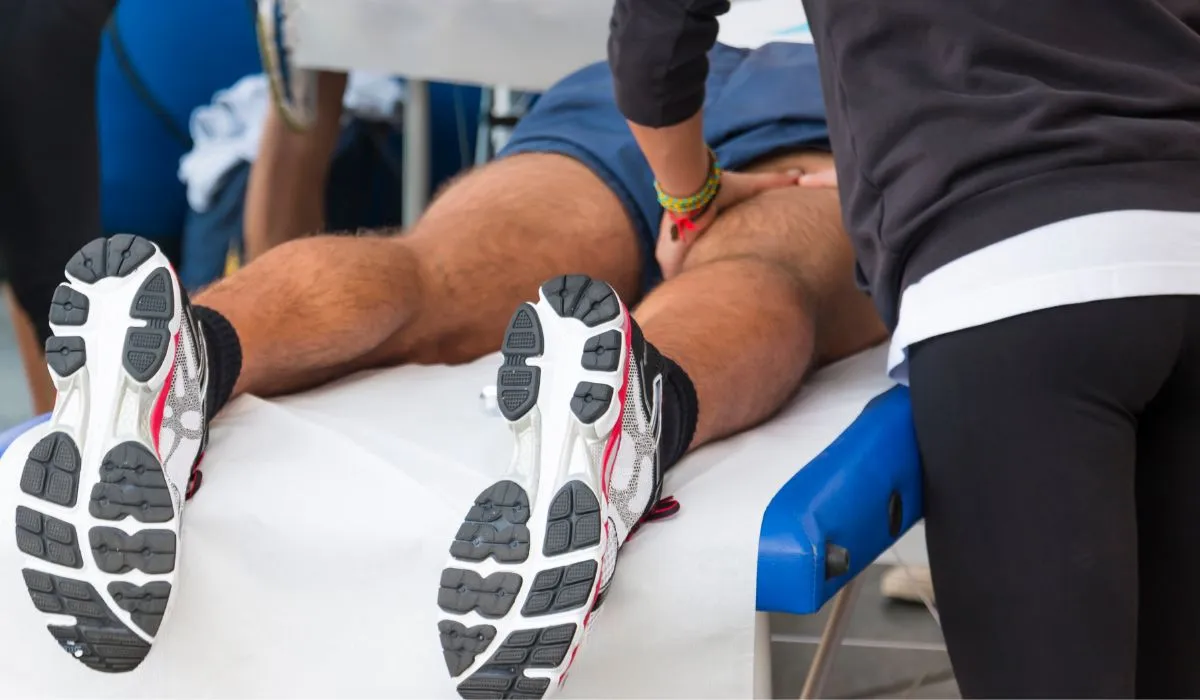
Once the joint regains stability, the muscles often remain tense. A sports recovery massage is a quick solution to improve circulation and eliminate metabolic waste.
At Orhideea Spa, you can choose the 60-minute Recovery Sport Massage, specially designed for:
-
Muscle preparation before training
-
Fast recovery after competition
-
Chronic pain relief
This technique combines deep-tissue massage with lymphatic drainage and passive stretching, all adapted by our certified therapist.
The session also includes free access to the relaxation area with a salt room, tepidarium, and auditorium. For a small extra fee, you can also access the Aqua area with pools, jacuzzis, and saunas—where moist heat supports lymphatic drainage.
Other Useful Therapies in Recovery
-
Medical taping: supports joints without restricting movement
-
Deep Oscillation: deep oscillatory massage that reduces local inflammation
-
Hydrokinesitherapy: water-based exercises that reduce joint stress and increase movement range
-
Infrared sauna: boosts blood flow and relaxes muscles
Combining these therapies with resistance training and proprioception work speeds up your return to peak performance.
Lifestyle, Nutrition & Long-Term Prevention
Recovery doesn't end when pain disappears. Tissue adaptation continues for months, so daily habits have a major impact. We recommend:
-
High-quality proteins and antioxidants with every meal to support collagen synthesis
-
Hydration above baseline levels (35 ml/kg body weight), especially if using saunas
-
7–9 hours of sleep—growth hormone secreted during REM restores muscle fibers
-
Stress management: mindfulness sessions, relaxation massage, or yoga
-
Gradual increase in training volume—maximum 10% per week
-
Periodic evaluations every 4–6 weeks with a physiotherapist to adjust the program
An injury can be a painful setback, but also an opportunity to better understand your body and refine your technique. The solution lies in a structured sports recovery process: fast intervention in the acute phase, personalized kinesitherapy, sports recovery massage, and long-term healthy habits.
We offer you a complete ecosystem—from the initial consultation to medical packages and premium relaxation services. By investing in each stage, you shorten your downtime and return stronger and more aware of your potential.
Your body deserves attention, and our team is here to be your trusted partner on the road to recovery.